
about the project
The geographies of UK asylum are changing.
Since the introduction of the Home Office’s ‘hostile environment’ policy in 2012, the UK asylum system has become increasingly restrictive, with accommodation used as a tool of deterrence against migration. As a result, in recent years, people have been increasingly housed in hotel accommodation and also in former military bases and other large-scale accommodation sites in remote areas across the country.
However, following criticism (including over the rising costs of hotel accommodation and large sites), the current Labour government has committed to discontinue the use of hotels in 2029, and recently announced plans to increase the use of military sites for asylum accommodation.
This project examines one of the most significant changes to the UK asylum accommodation system in recent years. As hotels are being phased out and new large sites opened, we want to understand what these changes mean in practice—both for people seeking asylum and for the organisations and services working with them.
Read more.
Based at Aston University (Birmingham, United Kingdom) with the collaboration of the British Red Cross, The Migrant Champions Network, SW Strategic Migration Partnership (SMP) and the VOICES network. Read more.
We’re open to collaboration.

Latest NEWS
View Archive [ -> ]
-
Temporary Accommodation, Permanent Scars: The Enduring Violence of the Home Office No-Choice Policy
This is a testimony from Walid, one of the Peer Researcher involved in the PAAP. To be in touch with… Read more.
6–9 minutes -
In our last post we spoke about our first project team meeting. Our second in-person meeting focused on designing the… Read more.
2–3 minutes -
We have finally started the fieldwork phase of our project. Getting to this stage, however, took more than two months… Read more.
2–3 minutes
CONTRIBUTE TO THE PAAP
We invite researchers, community organisations, and public agencies to collaborate. Contact us to use or share datasets and protocols or to discuss joint projects.
Acknowledgements
The PAAP is supported by a grant from the ESRC and hosted at Aston University. Partner and funder acknowledgements are listed on relevant project and resource pages.
Meet the people behind
The PAAP

Dr Gaja Maestri
Principal Investigator
Senior Lecturer in Sociology at Aston University, Birmingham (UK). Read more.

David King
Peer Researcher
Doctoral researcher working at the intersection of artificial intelligence, law and social justice. Read more.

Advisory Board Members
Advising Body
Dr Karolina Benghellab (University of Glasgow), Prof Jonathan Darling (Durham University), Dr Sarah Hughes (Northumbria University), Prof Claudio Minca (University of Bologna), and Prof Vicki Squire (University of Warwick) are part of the Advisory Board. Read more.

Dr rémy-paulin twahirwa
Postdoctoral Research Associate
Postdoctoral Researcher at Aston University, community organiser and writer based in London. Read more.
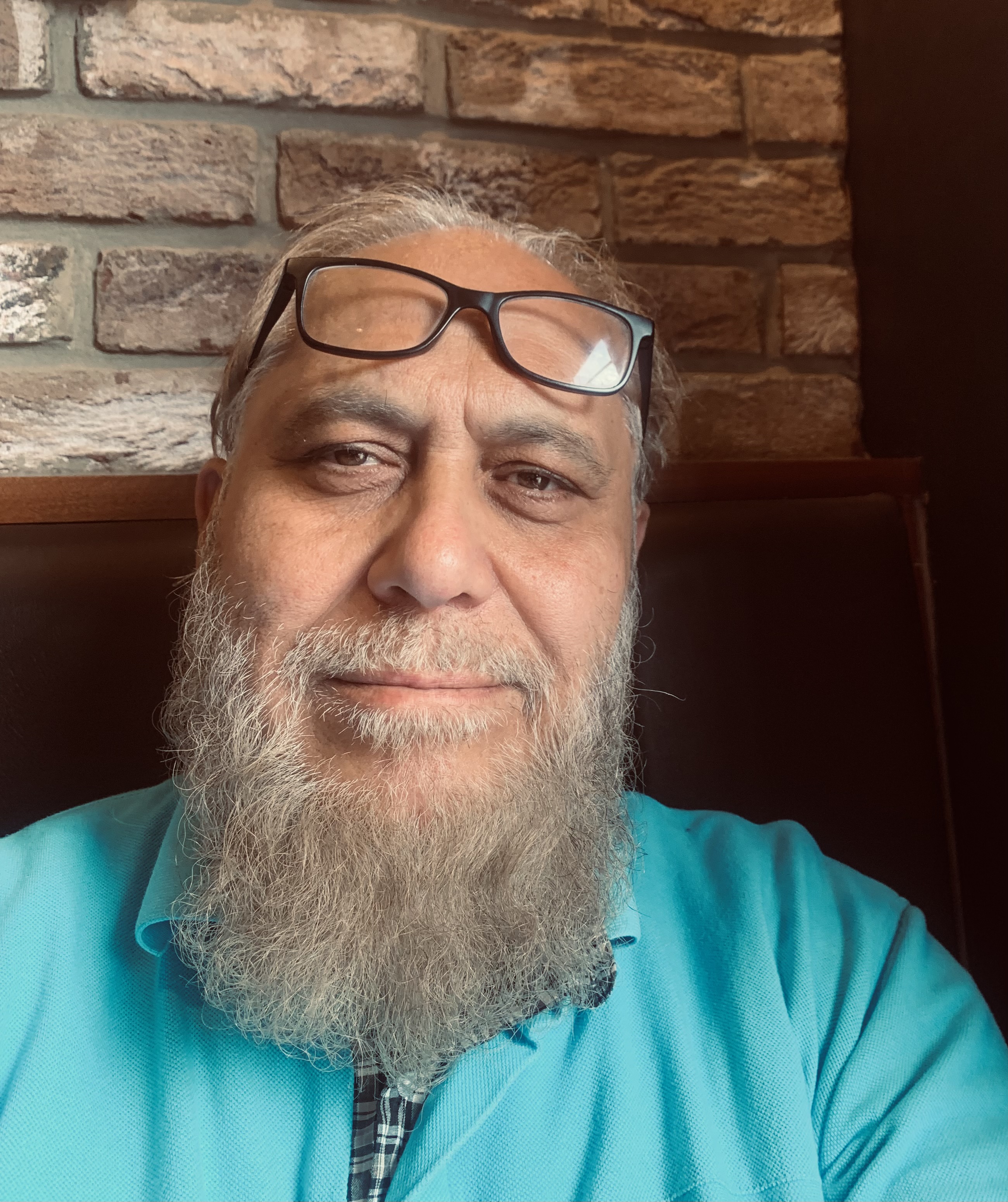
Walid Marmal
Peer Researcher
Voices Ambassador, educator, journalist, editor, translator and human rights activist. Read more.
Anonymous Peer Researchers
Peer Researchers
Four additional peer researchers are contributing actively to this project but have chosen to remain anonymous. Read more.
F.A.Q.
How will the findings of the project be shared??
The findings will be shared through reports, public events, workshops, academic publications, and creative outputs developed in collaboration with community partners and peer researchers. We are committed to making the research accessible beyond academia and ensuring that the knowledge produced can support public discussion, advocacy, and community organising around asylum accommodation and migrant justice.
How can I stay updated about the project?
You can stay updated through the project newsletter (join using the form below), which shares news, upcoming events, publications, and opportunities to get involved. We will also post regular updates on the project website and through our social media channels. The newsletter is the best way to receive direct updates as the project develops.
How should I cite something from this site?
If you use material from this website, please reference it as: Peripheralisation of Asylum Accommodation Project (2025-2027), available at https://peripheral-asylum.com/
When in doubt, contact the PI: g.maestri[at]aston.ac.uk
Will asylum seekers and local communities be involved in the research?
Yes. Community involvement is central to the project. The research is being developed with peer researchers and community organisations, and we aim to create spaces where people with lived experience of the asylum system can shape the research process and share their perspectives in ethical and meaningful ways. If you’d like to collaborate, please email: g.maestri[at]aston.ac.uk.